
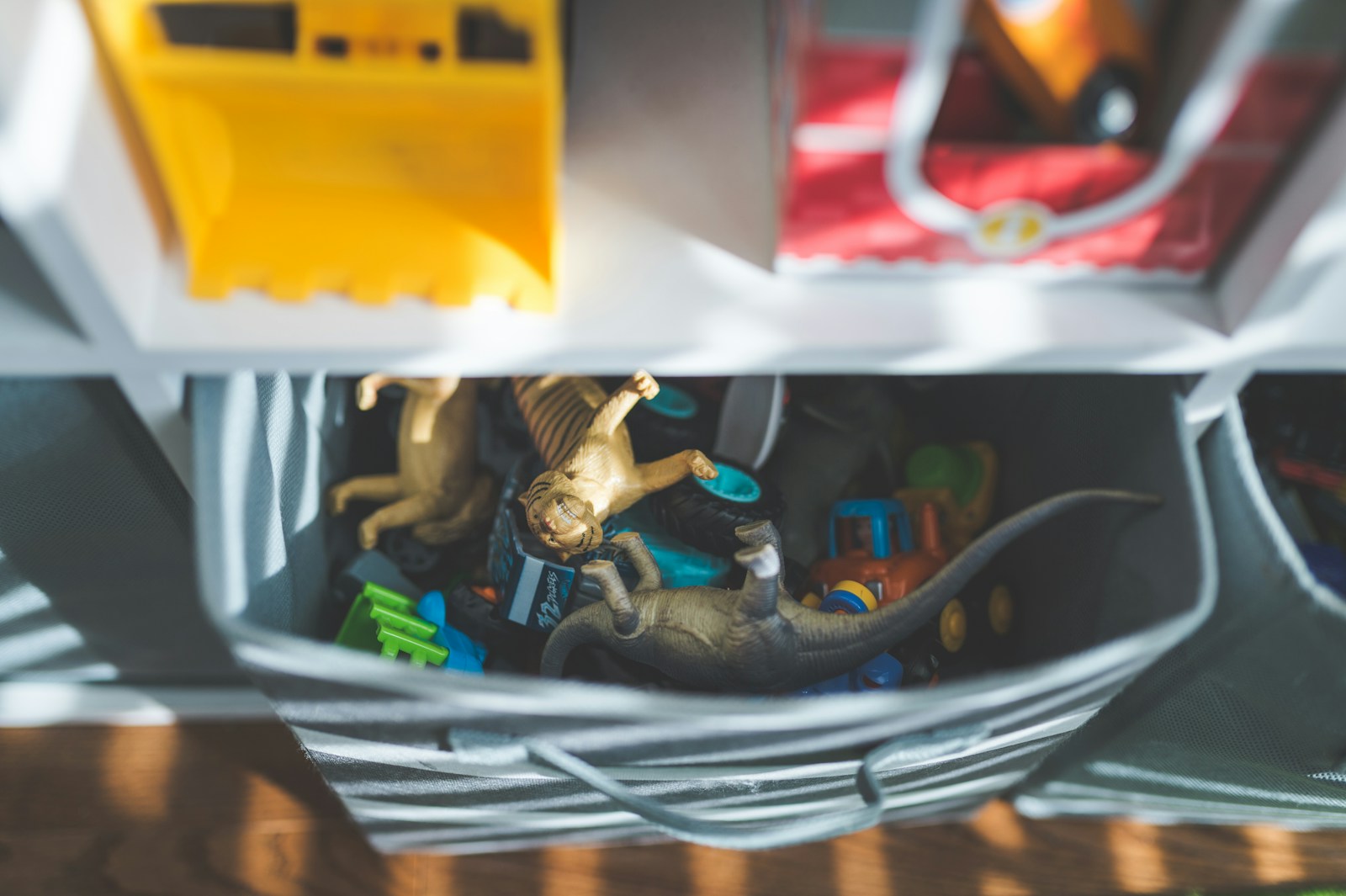

It happens every year around the second week of January. You look around the living room or the designated “play zone,” and instead of seeing a space for inspiration, you see… chaos. There’s the new high-tech toy from Grandma that hasn’t been touched in three days, a sea of mismatched LEGO bricks, and that one mysterious puzzle piece that doesn’t seem to belong to anything you own.
Post-holiday toy overwhelm is real. But here’s the secret that many parents are discovering in 2026: More toys do not equal more play. In fact, it’s usually the opposite.
When a child is confronted with a “Toy Box Graveyard”—a deep bin where toys go to be forgotten—they experience what psychologists call choice paralysis. Too many options lead to shorter play spans and higher frustration. By performing a Playroom Reset, you aren’t just cleaning; you are curated a “Creative Flow” zone where your child can truly thrive.
The Science of “Less is More”

In 2026, the “Low-Stim” movement has moved from fashion into interior design. Research shows that children who have access to fewer toys at one time engage in deeper, more sophisticated play. They become more creative with the items they do have, turning a simple wooden block into a phone, a bridge, or a snack.
By reducing visual clutter, you also help your child regulate their emotions. A cluttered room often leads to a cluttered mind. A reset playroom allows their natural personality and interests to take center stage.
The 4-Step Playroom Reset Strategy
1. The Great Sort (The “Keep, Donate, Rotate” Method)
Empty the space completely. Yes, it looks worse before it looks better!
- Keep: High-quality “open-ended” toys (blocks, silks, dolls, magnetic tiles).
- Donate: Items they’ve outgrown or toys they haven’t touched in six months.
- Rotate: This is the game-changer. Take 50% of the remaining toys and put them in bins in a closet or the garage.
2. Implement a Toy Rotation System
Every two to three weeks, swap out the bins. Suddenly, that old set of toy dinosaurs feels like a brand-new gift. This keeps the “new toy” excitement alive year-round without spending a dime.
3. Create Intentional “Play Zones”
Instead of one big pile, divide the room into small stations:
- The Maker Station: A small table for art and clay.
- The Cozy Nook: A rug, a few floor pillows, and a basket of books.
- The Active Zone: Space for building tracks or using a balance board.
4. Visibility is Key
If they can’t see it, they won’t play with it. Use low, open shelving rather than deep toy chests. Clear bins or wicker baskets allow kids to see their choices easily. This also makes the “Clean Up Song” much more effective because everything has a designated home.
Organizing the “Apparel Station”
Independence isn’t just for playtime; it’s for life skills, too! We love the idea of creating a small “Independence Corner” in the playroom or bedroom.
Use a low rolling cart or a bottom drawer to store a curated selection of ForKiddos tees and leggings. When a child can walk over and choose their own “uniform” for the day, it builds an incredible amount of confidence.
Our “Playroom CEO” Tee was designed for exactly this mindset. It’s a fun, bold way to acknowledge that your child is the “Chief Executive” of their own imagination. Made from our signature soft-wash cotton, it’s the perfect gear for a “CEO” who needs to crawl, climb, and create all day long without being restricted by stiff fabrics.
Sensory-Friendly Touches for 2026
To truly optimize the space for “flow,” consider the sensory environment:
- Lighting: Swap harsh overhead lights for a soft floor lamp or fairy lights in the reading nook.
- Sound: A soft rug doesn’t just look good; it muffles the sound of crashing blocks, making the room feel calmer.
- Natural Elements: Incorporate wood, wicker, and plants. These “grounding” textures help balance the bright plastics of many modern toys.
Conclusion: A Space for Magic to Happen
A Playroom Reset isn’t about achieving a “perfect” home that looks like a museum. It’s about clearing the physical and mental space so your child can do the important work of childhood: Play.
When the floor is clear and the choices are intentional, magic happens. You’ll find them staying in deep play longer, narrating more complex stories, and—best of all—finding joy in the simple things.
Have you tried toy rotation yet? We’d love to see your “Playroom Reset” photos! Tag us on Instagram @for.kiddos.online and use the hashtag #PlayroomCEO for a chance to be featured.