
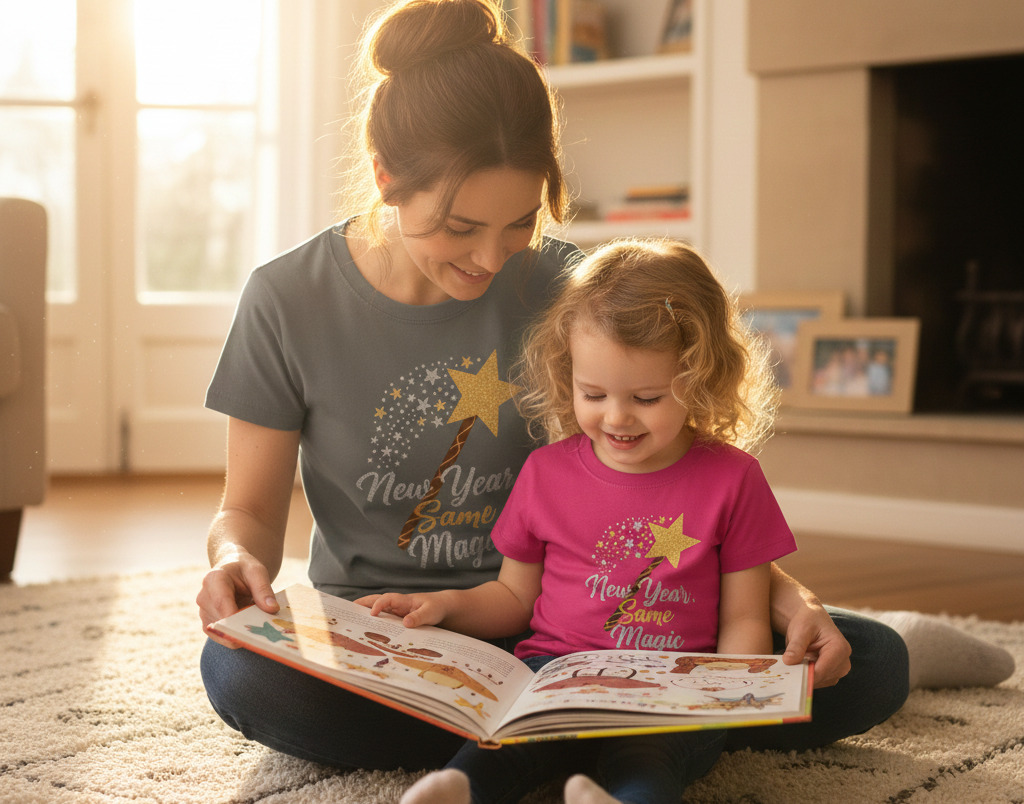

The confetti has settled, the holiday decorations are tucked away in their boxes, and the familiar “January Quiet” has settled over the house. As we step into 2026, many of us feel that annual itch to reinvent ourselves. We look at our planners and think about “Big Changes”—new diets, total house overhauls, or ambitious fitness goals.
But as parents, we know that “Big Changes” are often the first things to crumble under the weight of a toddler’s tantrum or a hectic school morning.
This year, the trend in positive parenting isn’t about doing more; it’s about doing things with more intention. In 2026, we are embracing the era of Intentional Parenting. It’s a shift away from the “performative” parenting of years past and toward building a deep, lasting emotional connection with our kids. The secret to this connection isn’t a week-long Disney vacation—it’s the magic of the “Micro-Tradition.”
What is Intentional Parenting?
Intentional parenting is the practice of acting with a specific goal in mind: to nurture the relationship you have with your child. It means moving out of “autopilot mode” and into a space where you are mindful of the small moments.
In a world that feels increasingly digital and fast-paced, our children are looking for “anchors.” Traditions act as these anchors. They are predictable, safe, and uniquely yours. When we talk about family traditions in 2026, we aren’t talking about formal, stressful events. We are talking about the small, repeatable rituals that build a child’s sense of security.
The Power of “Micro-Traditions”
A micro-tradition is a tiny ritual that takes less than 15 minutes but happens consistently. Because these are low-pressure, they are “burnout-proof.” For a child, these rituals provide a sense of “The World is Okay.”
1. The Sunday Morning Pancake Flip
There is something primal and comforting about the smell of vanilla and batter on a Sunday morning. This isn’t about making “Instagram-worthy” pancakes shaped like zoo animals (unless that’s your thing!). It’s about the process.
- The Ritual: Let the kids help with the whisking. Put on a specific “Sunday Morning” playlist.
- The Impact: It marks the transition from the busy week to a day of rest. It tells them, “Today, we slow down together.”
2. The “Three Good Things” Bedtime Chat
Bedtime can be the most stressful part of a parent’s day, but it’s also the time when children are most likely to open up.
- The Ritual: Before the final “goodnight,” ask each other: “What were three things that made you smile today?” * The Impact: This practices gratitude and ensures the last interaction of the day is positive, reinforcing that emotional connection with your kids.
3. The Friday Pajama Pizza Party
By Friday night, everyone is exhausted. Instead of fighting for a formal dinner at the table, embrace the “controlled chaos.”
- The Ritual: Picnic blanket on the living room floor, pizza (frozen or delivered!), and a family movie or board game.
- The Impact: It signals that the weekend has arrived and creates a relaxed environment where the “rules” of the week are softened.
Why Traditions Build Security
From a developmental standpoint, building security in children is all about predictability. When a child’s environment is predictable, their nervous system can relax.
When a child knows that “On Tuesdays, we always have a 2-minute kitchen dance party,” they have something to look forward to. This predictability is especially important during transitions—like starting a new grade or moving to a new house. Traditions provide a “Safe Harbor” that stays the same, even when the rest of the world is changing.
Comfort: The Silent Ingredient of Connection
Have you ever noticed that kids are more likely to cuddle or open up when they are wearing their favorite, softest clothes? There is a sensory element to connection.
At ForKiddos, we design our apparel with these “Micro-Moments” in mind. When you’re having that Sunday morning pancake flip, the last thing your child should be thinking about is a scratchy tag or a stiff collar.
How to Start Your Intentional Year (Without the Stress)
If you’re feeling inspired to start a new tradition, follow these three rules to make sure it sticks:
1. Start with “One”
Don’t try to implement five new rituals at once. Pick one that sounds the most “fun” and the least “work.”
2. Lower the Bar
A tradition doesn’t have to be perfect to be powerful. If the “Sunday Pancakes” turn into “Sunday Cereal” because you’re tired, that’s okay! The tradition is the togetherness, not the flour.
3. Let the Kids Lead
Ask your children: “What is your favorite part of our day?” You might be surprised to find it’s something you didn’t even realize was a “thing,” like the way you make a funny face when you buckle their car seat. Lean into what they already love.
Download the ForKiddos 2026 Micro-Tradition Tracker.
- Choose Your Ritual: Pick small traditions from the list (or create your own!).
- Commit to Consistency: The goal isn’t perfection; it’s presence.
- Check the Box: Let your little one check the box after each ritual to build excitement!
Conclusion: Your Legacy is Made in the Minutes
As we look forward into 2026, let’s release the pressure to be “Pinterest-Perfect” parents. Your children won’t remember the perfectly curated nursery or the expensive toys as much as they will remember the feeling of your hand in theirs during a “Full Moon Walk” or the way you danced to the radio on a random Tuesday.
Intentional parenting is about showing up in the small spaces. It’s about the “Small Traditions” that leave a “Big Impact” on their hearts.